
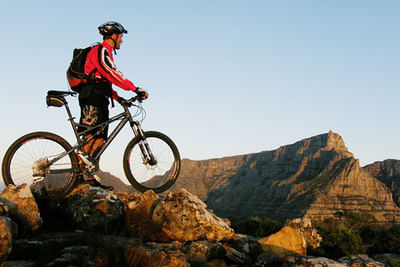
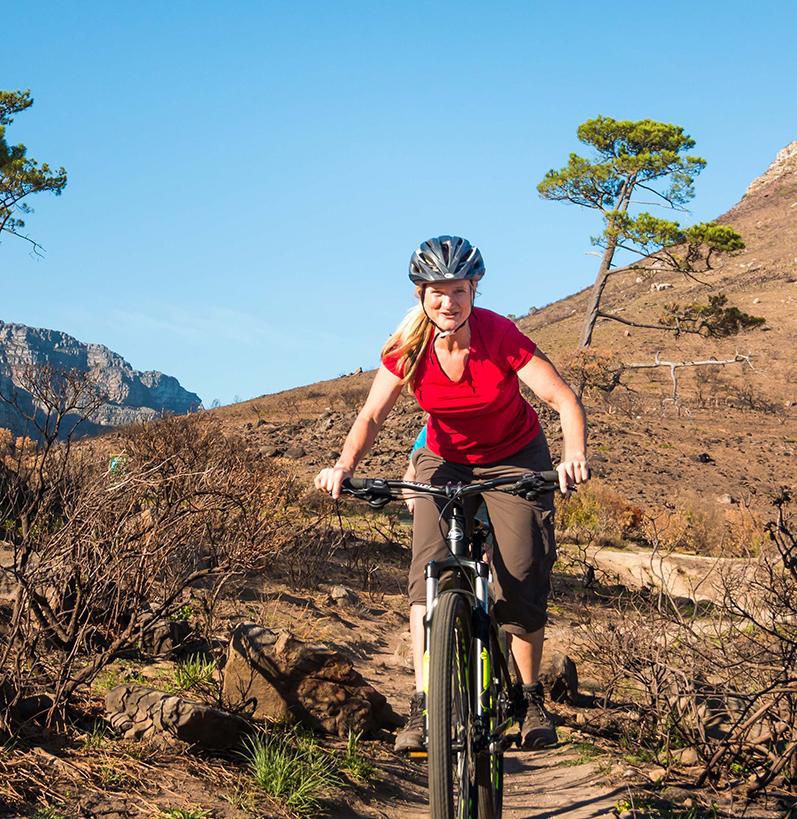
See more and cover real ground by bike, from vineyard lanes and seaside promenades to pine-scented singletrack and gravel farm roads. Routes scale to any fitness. Choose gentle e-bike cruises between wine farms, township cycles with local guides, or gravel rollers past karoo koppies. Mountain bikers hunt flow on purpose-built trails while roadies chase iconic passes. Rentals, helmets, and support vehicles keep logistics easy. Finish with a coffee stop, a cellar tasting, or a beach dip at the end of the ride.
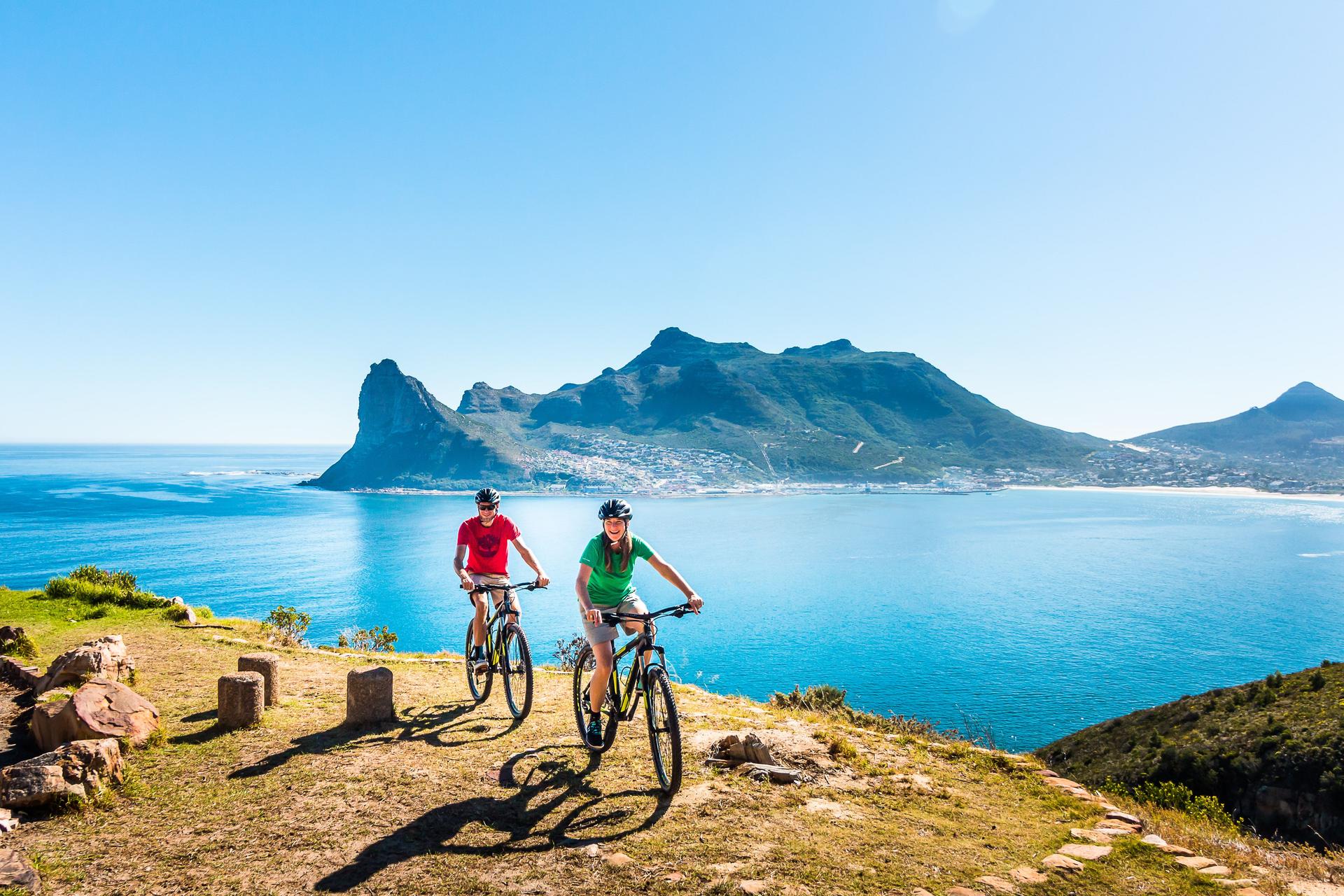
Cycling in South Africa
Popular Cycling activities and experiences in South Africa

Click on Map Markers for additional information
We offer bespoke tours, activities and experiences in four of South Africa’s provinces
Western Cape • Gauteng • KwaZulu‑Natal • Mpumalanga
TOP EXPERIENCES
Authentic and Immersive Experiences
With excellent infrastructure and year-round appeal, South Africa combines natural beauty, sustainability, and authentic experiences, making it a top destination for travelers seeking meaningful, gentle adventures in one of the world’s most scenic settings.
SIGN UP FOR OUR NEWSLETTER
Cycling in South Africa - context and tips
Cycling culture in South Africa
South Africa has a deep cycling culture that spans weekend club rides, big spectator events, and a strong mountain bike scene. A useful mental model is that road riding often follows scenic public passes and coastal corridors, while off-road riding tends to link trail networks and big nature backdrops. The Cape Town Cycle Tour started in 1978 as a protest ride advocating for safer cycling, then grew into a major annual event.
- Road cycling often rewards early starts and steady pacing, with conditions that can change quickly on exposed stretches.
- Mountain biking is a big part of the local identity, with multi-day stage racing and skills-based trail riding.
- Gravel sits in the middle: long rolling distances on quieter back roads, usually more about endurance than technical features.
- Local etiquette matters: ride predictably, communicate in groups, and treat shared spaces with respect.
- For travelers, cycling is a fast way to understand a region's shape: coastline vs high plateau vs mountain rim vs lowveld.
Iconic races that shape the cycling calendar
South African cycling has a few headline events that shape what many visitors search for and where they choose to ride. The Cape Town Cycle Tour is described by multiple organisers and cycling bodies as the world's largest individually timed cycling event and is held annually in Cape Town. In the Western Cape, the Absa Cape Epic is positioned as a flagship mountain bike stage race hosted in the province. Gauteng's big city showcase is Ride Joburg, promoted as a major timed road event that opens up a rare "ride the city" day. In KwaZulu-Natal, sani2c is framed as an iconic multi-day mountain bike journey that finishes at Scottburgh on the coast.
- If you travel near event weeks, expect higher demand for accommodation and bike services in host towns.
- These events influence local "must ride" lists: iconic climbs, well-known trail networks, and classic scenic loops.
- Spectating can be worthwhile because start-finish hubs often feel like festivals rather than niche races.
- For inspiration, copy the concept rather than the exact route: a peninsula loop, an escarpment descent, or a city-to-park ride.
- Ask locals what people are training for; the answer often tells you the region's cycling personality.
Four provinces, four cycling backdrops
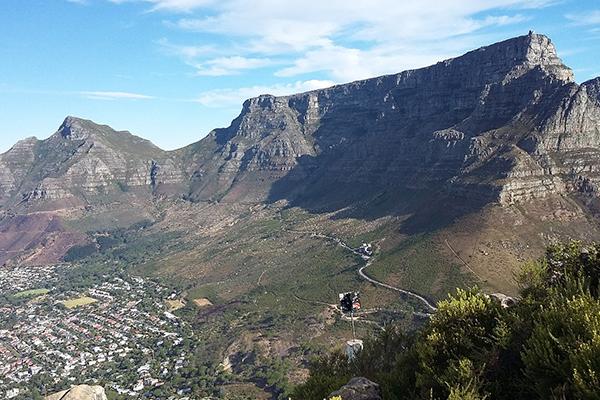
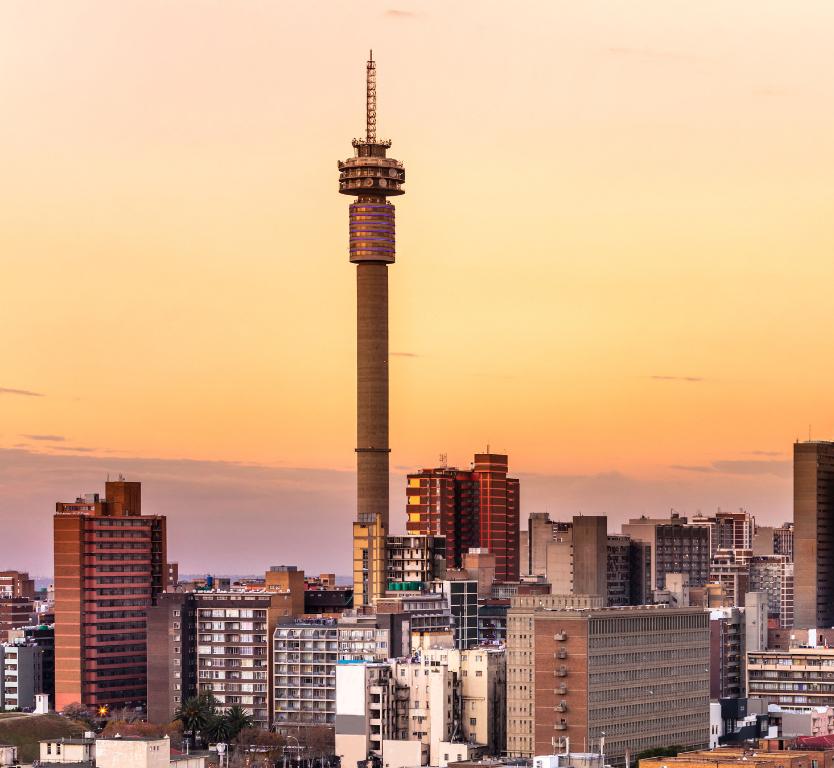
Because your site spans four provinces, it helps to think of South African cycling as four distinct backdrops that each favour a different style of day out. The Western Cape often means wind-exposed coastal riding and mountain passes, while Gauteng's Highveld mix leans urban-greenway links and rolling outskirts. KwaZulu-Natal gives you berg foothills and warm coastline, and Mpumalanga is defined by the Great Escarpment, with scenery clustered around the Panorama Route and the Blyde River Canyon Nature Reserve.
- Western Cape: plan for wind and elevation changes, and pick rides that combine ocean viewpoints with inland climbs.
- Gauteng: look for park-to-park links, quieter perimeter roads, and routes that escape the densest traffic early.
- KwaZulu-Natal: expect humidity near the coast and cooler air in the Drakensberg region, with terrain that can switch quickly from valley to ridge.
- Mpumalanga: escarpment riding can stack sustained climbing with big views, with the Panorama Route frequently highlighted for viewpoints and canyon landscapes.
- Across provinces, micro-regions matter more than city names: a 30 km shift can change temperature, vegetation, and road surface quality.
Conditions, wind, storms, and safe riding norms
South Africa rewards cyclists who plan around conditions and who treat safety as part of the route design. In Cape Town, the "Cape Doctor" is a well-known strong south-easterly wind that tends to show up from spring into late summer, and it can turn an easy ride into a hard one. In summer rainfall areas, afternoon thunderstorms are a common pattern, so earlier starts often mean calmer weather. Local safety guidance in the Western Cape and Cape Town emphasises stay visible and predictable in traffic, use cycle lanes where available, and follow normal road rules.
- Treat wind, heat, and sudden rain as route variables: choose loop options so you can shorten a ride if conditions shift.
- Keep your group compact and predictable, especially where roads are narrow or visibility is limited.
- Avoid roads that explicitly prohibit bicycles, and be cautious near freeway-style interchanges even when they look tempting on a map.
- On trails, stick to designated lines and respect closures: it protects sensitive landscapes and keeps access open.
- If you are unsure about a specific area, a short guided ride is often the simplest way to learn what locals consider safe and normal.